
Marco-Bolo Event
Building a community for marine biodiversity monitoring
How to ensure that a research project responds to real-world needs? One answer is to involve stakeholders from the very beginning. Since the start


How to ensure that a research project responds to real-world needs? One answer is to involve stakeholders from the very beginning. Since the start

Four years ago, the MARCO-BOLO project, which stands for MARine COastal BiOdiversity Long-term Observations, set out to strengthen biodiversity observation across Europe’s marine, coastal and

How much carbon is stored beneath Europe’s seagrass meadows? Seagrass ecosystems are among the most valuable coastal habitats in the world. In addition to providing

How can research projects maximise the long-term value of their data? Every research project generates valuable data. But what happens to those data once the

How do we observe life beneath the ocean surface? For decades, marine biodiversity monitoring has relied on a combination of field surveys, sampling campaigns and

Over the past four years, MARCO-BOLO has worked with researchers, policymakers, industry representatives, data specialists and other stakeholders to improve how marine biodiversity is monitored
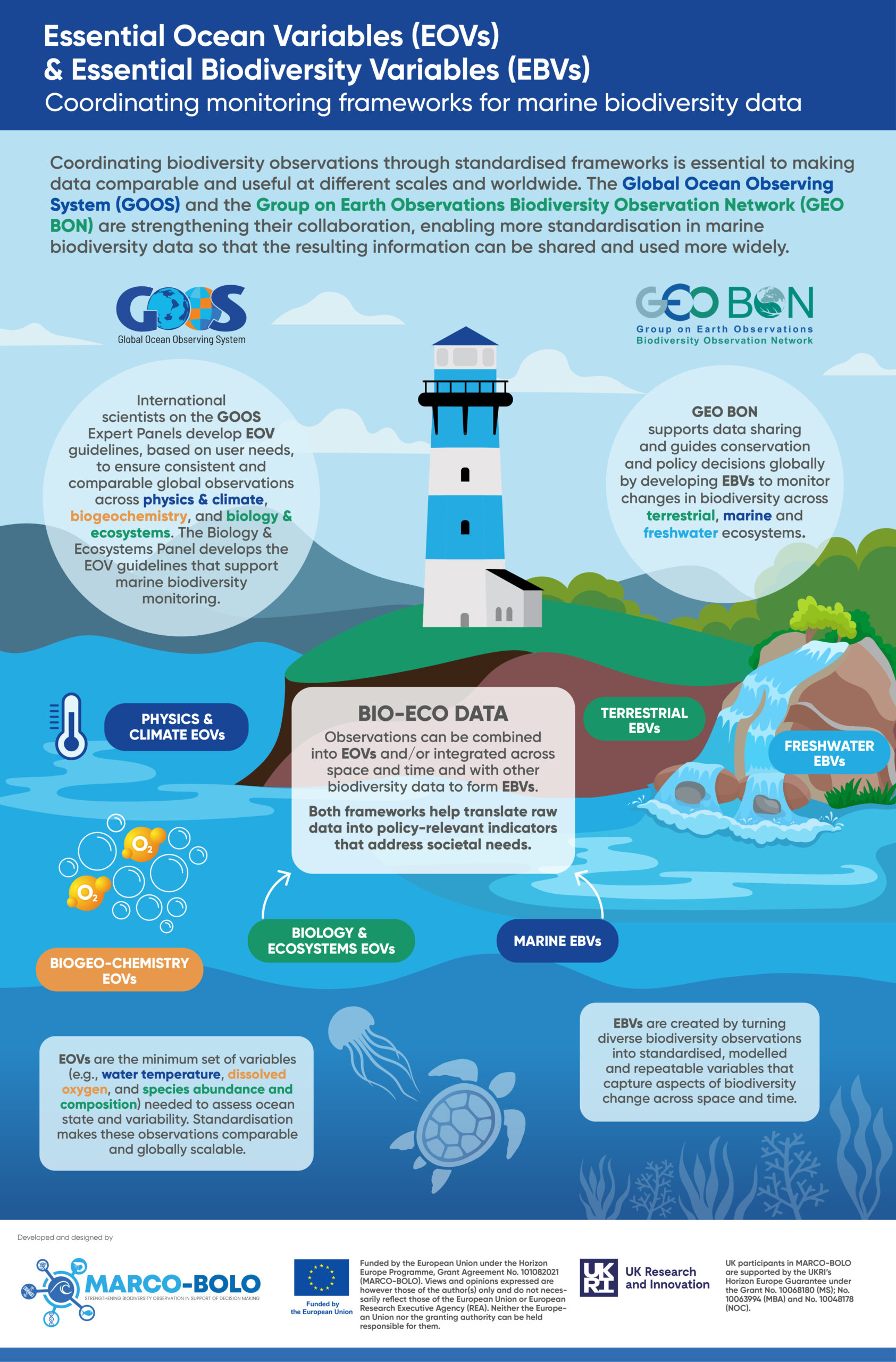
We are pleased to share the fourth infographic in the MARCO‑BOLO infographic series, focusing on the link between Essential Ocean Variables (EOVs) and Essential Biodiversity

The MOD Alliance hosted its fifth webinar on Thursday 27 November 2025, focusing on innovative approaches to mapping blue carbon in European seagrass ecosystems. Organised
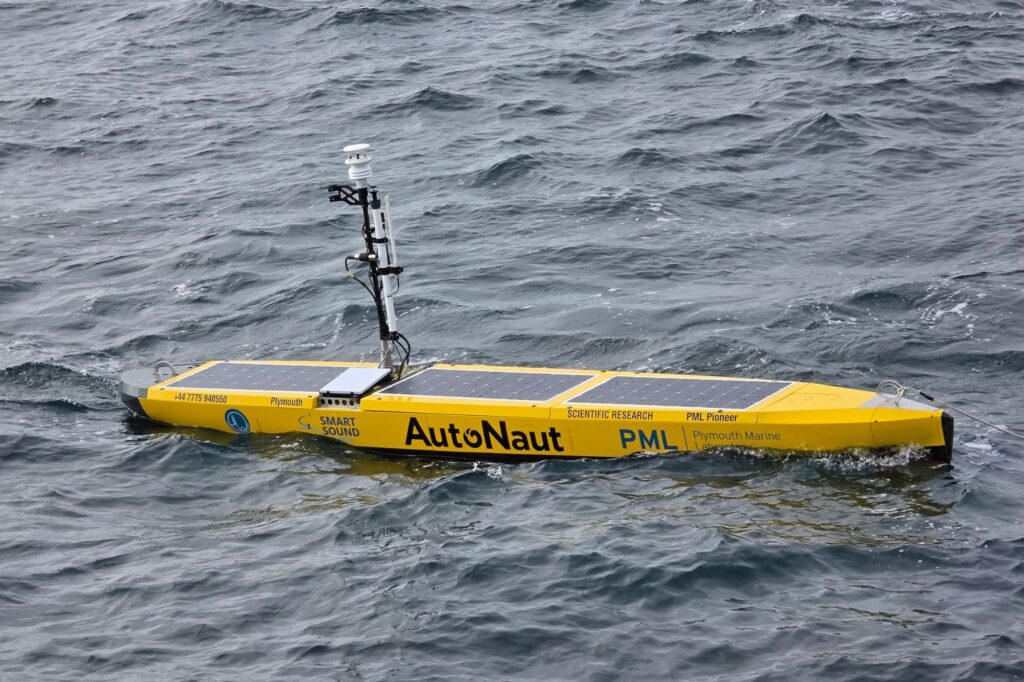
MARCO-BOLO partners Plymouth Marine Laboratiry (PML) and the National Oceanography Centre (NOC) joined forces to complete a successful sampling campaign in the Plymouth Sound by